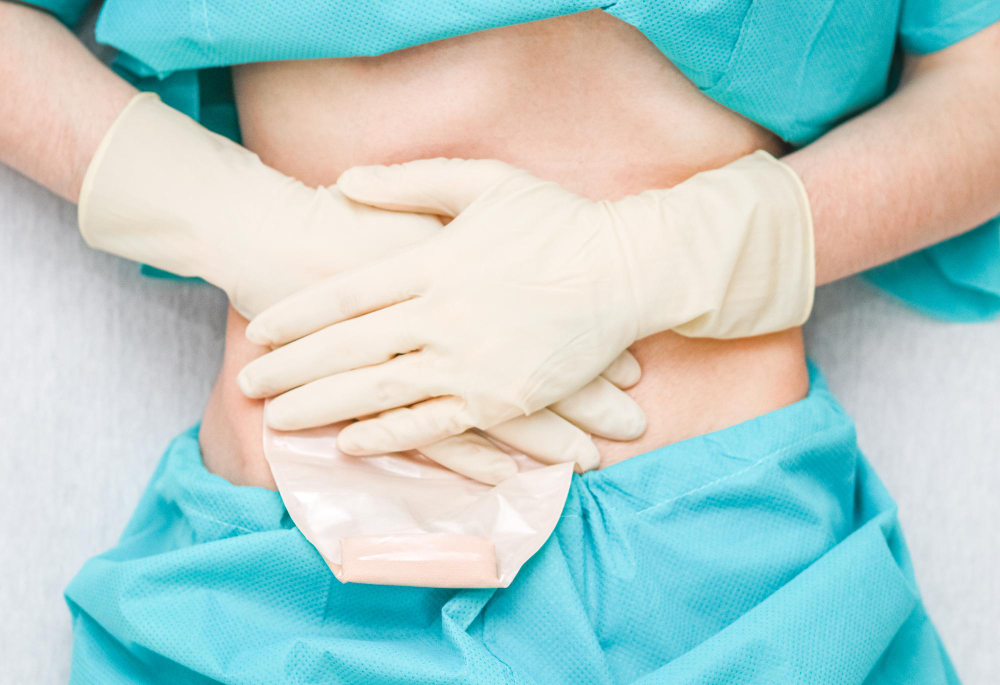
What are Ileostomy and Colostomy?
Ileostomy and colostomy are surgeries that help the body remove waste. In both procedures, doctors create an opening in the belly. This opening, called a stoma, allows waste to leave the body when the usual path is blocked or damaged. While both surgeries sound similar, they are different. An ileostomy connects the small intestine to the stoma. A colostomy connects the large intestine, or colon, to the stoma. Because these surgeries change how waste leaves the body, people need special care and support. Many people in the United States live well with an ostomy.
Symptoms and Indications for Surgery
Doctors may suggest ileostomy or colostomy when the intestines cannot work normally. Usually, people experience certain symptoms before surgery. For example, you may notice:
Sometimes, these symptoms mean the intestines are not safe or healthy. In these cases, surgery may be needed to protect your health.
Causes and Common Conditions Leading to Ileostomy or Colostomy
Many health problems can lead to the need for an ileostomy or colostomy. Some common causes include:
Because these conditions can damage the intestines, doctors may need to create a new way for waste to leave the body.
Diagnosis and Preoperative Assessment
Before surgery, doctors will check your health carefully. First, they ask about your symptoms and medical history. Next, they may order tests, such as:
After these tests, your doctor will explain the best treatment plan. Sometimes, they may suggest other options before surgery. However, if surgery is needed, they will help you prepare.
The Surgical Procedures: Ileostomy vs. Colostomy
Both ileostomy and colostomy are done in a hospital. Usually, you will get medicine to help you sleep during the surgery. Here is how each procedure works:
Sometimes, these surgeries are temporary. Other times, they may be permanent, depending on your health needs.
Postoperative Care and Recovery
After surgery, you will stay in the hospital for a few days. During this time, nurses will teach you how to care for your stoma. For example, you will learn how to:
Most people can return home once they feel strong enough. However, recovery can take a few weeks. It is important to rest and follow your doctor’s advice. If you notice redness, swelling, or fever, call your doctor right away.
Daily Life and Lifestyle Guidance
Living with an ostomy may feel new at first. But with time, most people adjust well. Here are some lifestyle tips for living with an ostomy:
Because everyone is different, you may need to try different foods or activities. If you have questions, ask your healthcare team for help.
Potential Complications and Prevention Tips
Most people do well after ileostomy or colostomy. However, some problems can happen. Watch for these possible complications:
To prevent problems, follow these tips:
With good care, most people avoid serious issues.
Frequently Asked Questions
Consult a gastroenterologist for personalized advice.