What Is Acute Gastrointestinal Bleeding?
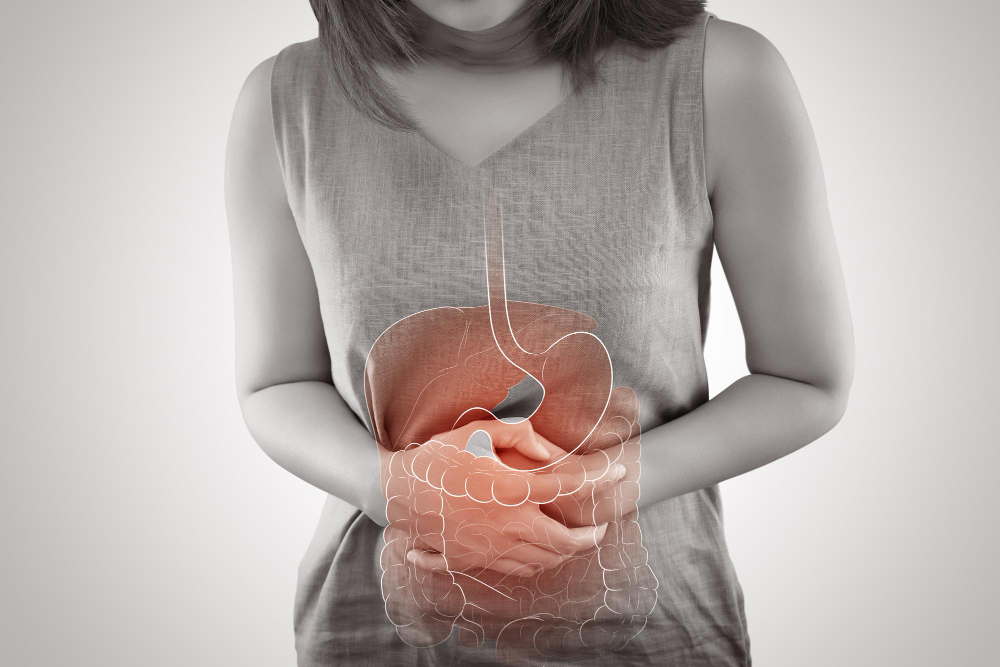
Acute gastrointestinal bleeding is a sudden loss of blood from any part of the digestive tract. This condition can be serious and needs quick attention. The digestive tract includes the mouth, esophagus, stomach, small intestine, and large intestine. In the United States, acute gastrointestinal bleeding is a common reason for emergency visits. Early recognition of symptoms can help save lives.
Common Symptoms of Acute Gastrointestinal Bleeding
Recognizing acute gastrointestinal bleeding symptoms early is important. While some signs are easy to spot, others may be subtle. For example, you may notice changes in your stool or feel weak. Here are common signs of GI bleeding:
Sometimes, symptoms may be mild at first. However, they can quickly become severe. Therefore, it is important to pay close attention to any unusual changes.
Causes and Risk Factors
There are many GI bleeding causes. Some are more common in certain age groups. For instance, older adults may have different risk factors than children. Here are some main causes:
Additionally, some people have higher risk. These include those with liver disease, a history of ulcers, or long-term use of certain medicines. Smoking and heavy alcohol use can also increase risk.
How Is Acute Gastrointestinal Bleeding Diagnosed?
Doctors use several steps to find the cause of acute gastrointestinal bleeding. First, they ask about your symptoms and medical history. Next, they may do a physical exam. Often, blood tests help check for anemia or blood loss. In many cases, doctors use special tools to look inside the digestive tract. These tests may include:
With these tests, doctors can find the source of bleeding. Early diagnosis helps guide the best treatment.
Treatment Options
Treatment for acute gastrointestinal bleeding depends on the cause and severity. Sometimes, bleeding stops on its own. However, many people need medical care. Treatment options may include:
Doctors choose the best treatment based on your needs. Quick care can prevent serious problems.
Prevention and Lifestyle Tips
While not all cases can be prevented, some steps may lower your risk. For example, you can:
By following these tips, you can help protect your digestive health.
When to Seek Immediate Medical Attention
Some signs of GI bleeding need urgent care. If you notice any of the following, seek help right away:
Even if symptoms seem mild, it is better to be safe. Early treatment can save lives.
If you notice any symptoms of acute gastrointestinal bleeding, consult a healthcare specialist immediately for personalized care.