What Are Perforated Ulcers?
Perforated ulcers are a serious medical problem. They happen when an ulcer, or sore, in the stomach or upper intestine creates a hole. Because of this hole, food and stomach acid can leak into the belly. This can cause a dangerous infection. For this reason, emergency surgical intervention is often needed. Without quick treatment, a perforated ulcer can be life-threatening.
Common Symptoms and Warning Signs
It is important to know the signs of a perforated ulcer. Early action can save lives. Watch for these symptoms:
If you notice these warning signs, seek urgent medical help. Quick action is key to prevent serious problems.
Causes and Risk Factors
Many things can lead to a perforated ulcer. Some common causes include:
Older adults and people with chronic health issues are at higher risk. Knowing these risk factors can help you stay alert.
How Perforated Ulcers Are Diagnosed
Doctors use several steps to diagnose a perforated ulcer. First, they ask about your symptoms and health history. Next, they may do a physical exam to check for belly pain or swelling. Often, doctors order tests such as:
These tests help doctors find the problem quickly. Fast diagnosis is important for urgent surgery for ulcers.
Emergency Surgical Intervention: What to Expect
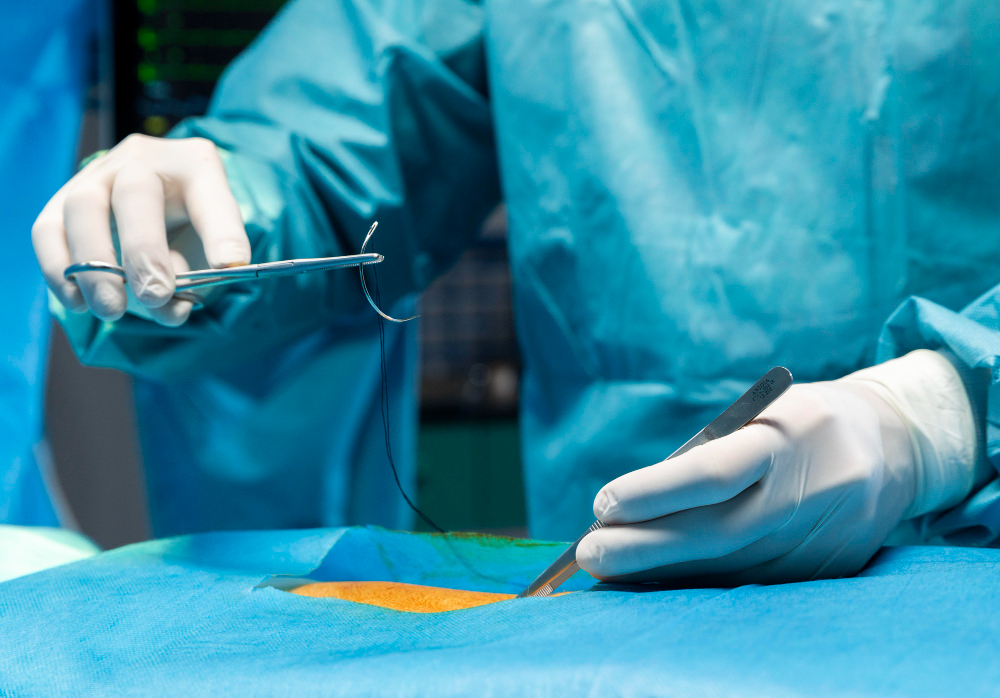
When a perforated ulcer is found, emergency surgery is usually needed. This surgery closes the hole and cleans the belly to prevent infection. Here is what you can expect:
Because this is a serious problem, doctors act fast to lower the risk of complications.
Recovery and Aftercare
After surgery for a stomach ulcer perforation, recovery is important. Most people need to rest for several weeks. Your doctor will give you advice on:
Follow your doctor’s instructions closely. This helps you heal faster and lowers the chance of problems.
Prevention Tips and Lifestyle Guidance
There are steps you can take to lower your risk of perforated ulcers. Try these tips:
By making these changes, you can help protect your stomach and lower your risk of urgent surgery for ulcers.
If you suspect a perforated ulcer, seek emergency medical care immediately. Consult a specialist for personalized guidance.
Sources: World Health Organization (WHO), Centers for Disease Control and Prevention (CDC), PubMed